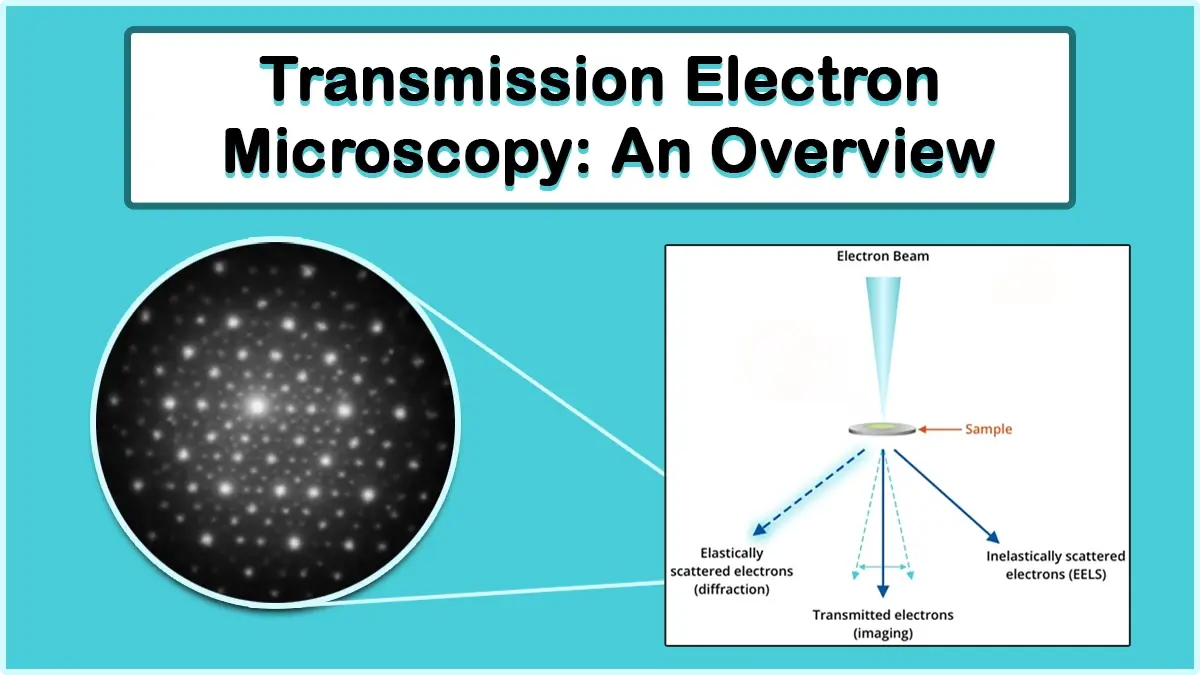
Transmission Electron Microscopy is a powerful tool that shows tiny structures in detail, allowing analysis of shape and elements of biological materials.
Precision Vacuum Coating Solutions for Advanced Thin-Film Applications

Transmission Electron Microscopy is a powerful tool that shows tiny structures in detail, allowing analysis of shape and elements of biological materials.
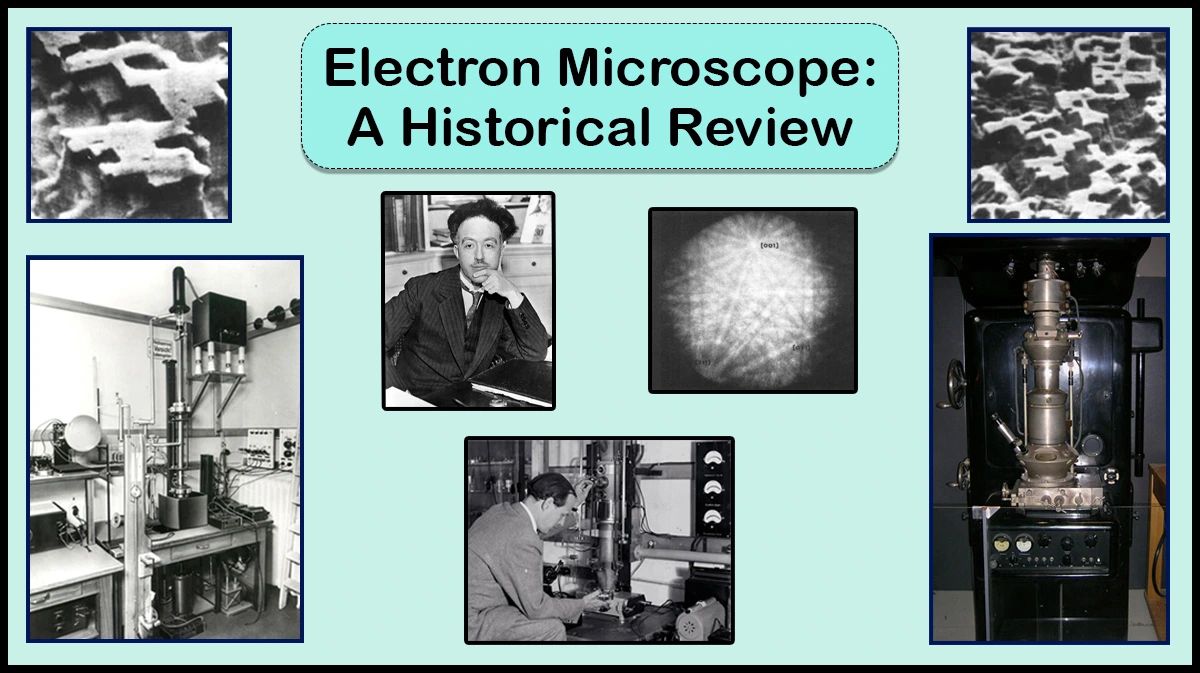
The history of electron microscope began in 1931 by Ernst Ruska and Max Knoll.Electron microscope invention created a powerful method for surface investigation.
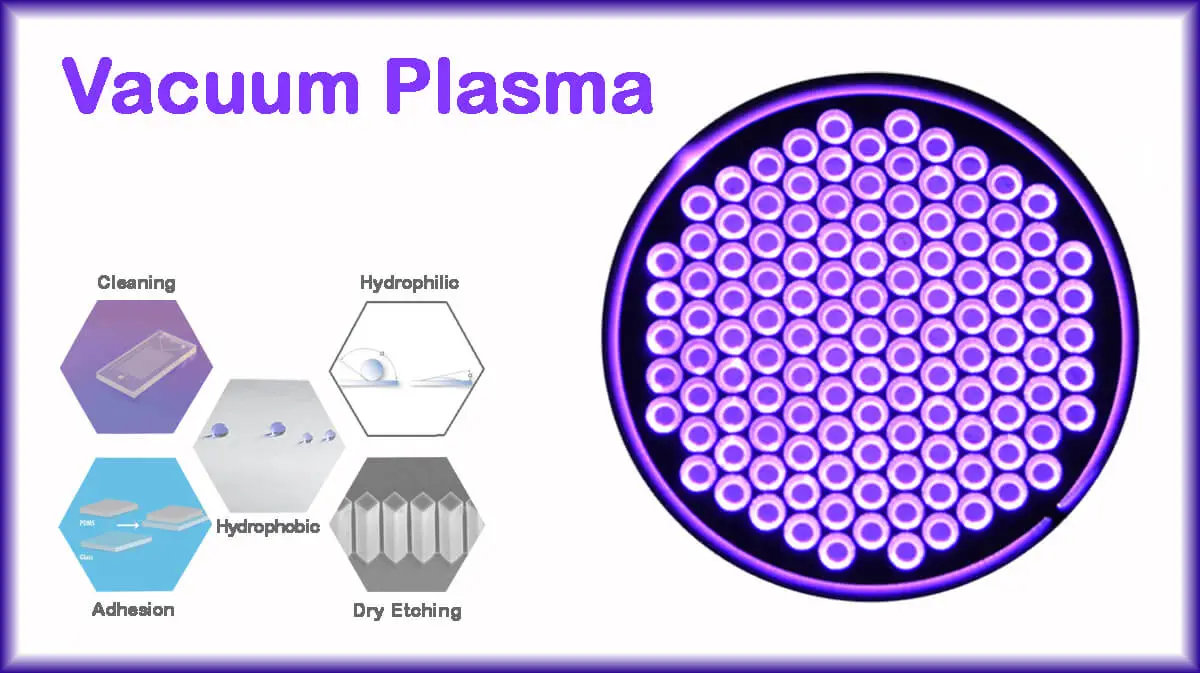
Plasma is the fourth state of matter that can be reached in high energies. When atoms in a gas gain extremely high temperatures it goes to plasma phase.
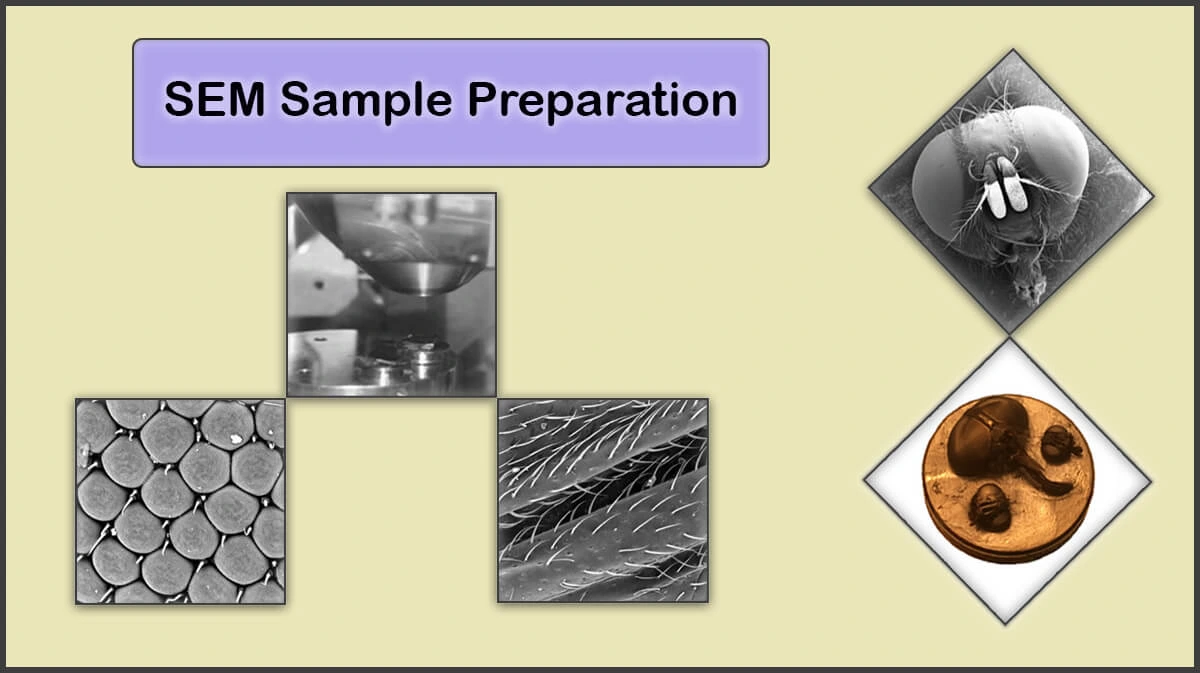
SEM samples need to be prepared by a sample preparation process to intensify image clarity and a clean, dried, and conductive sample is ideal for SEM imaging.
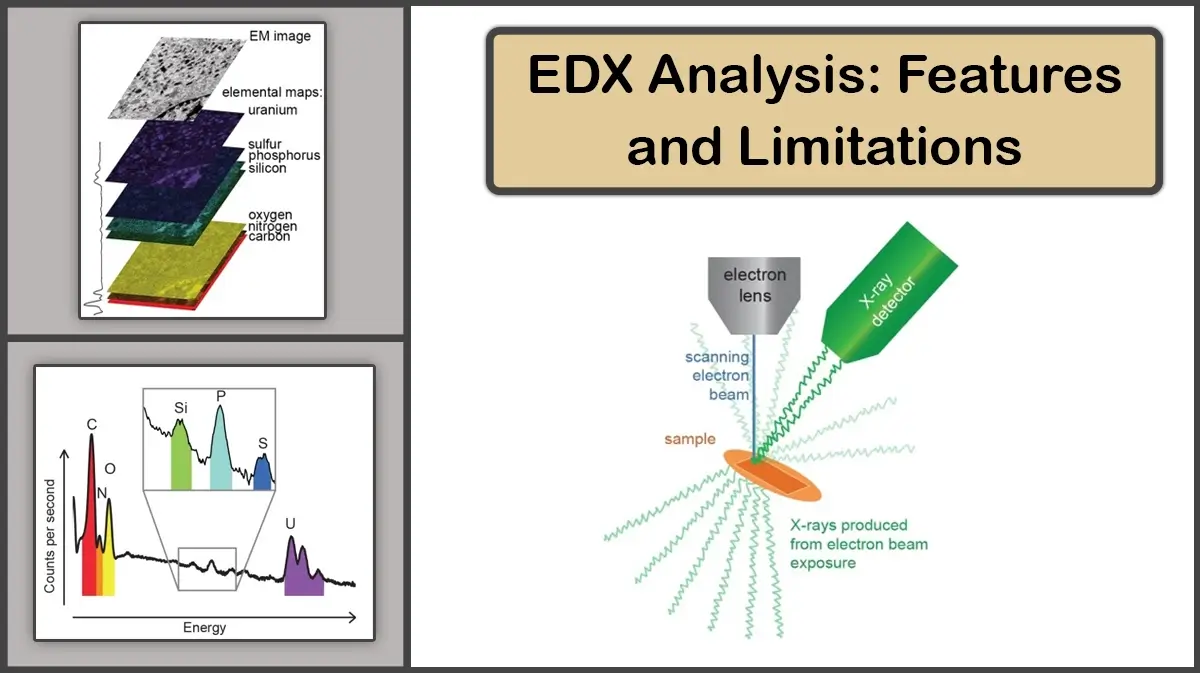
EDX is a tool for elemental analysis performed during EM through inelastic scattering of electrons with specimens and generation of X-ray characteristic peaks.
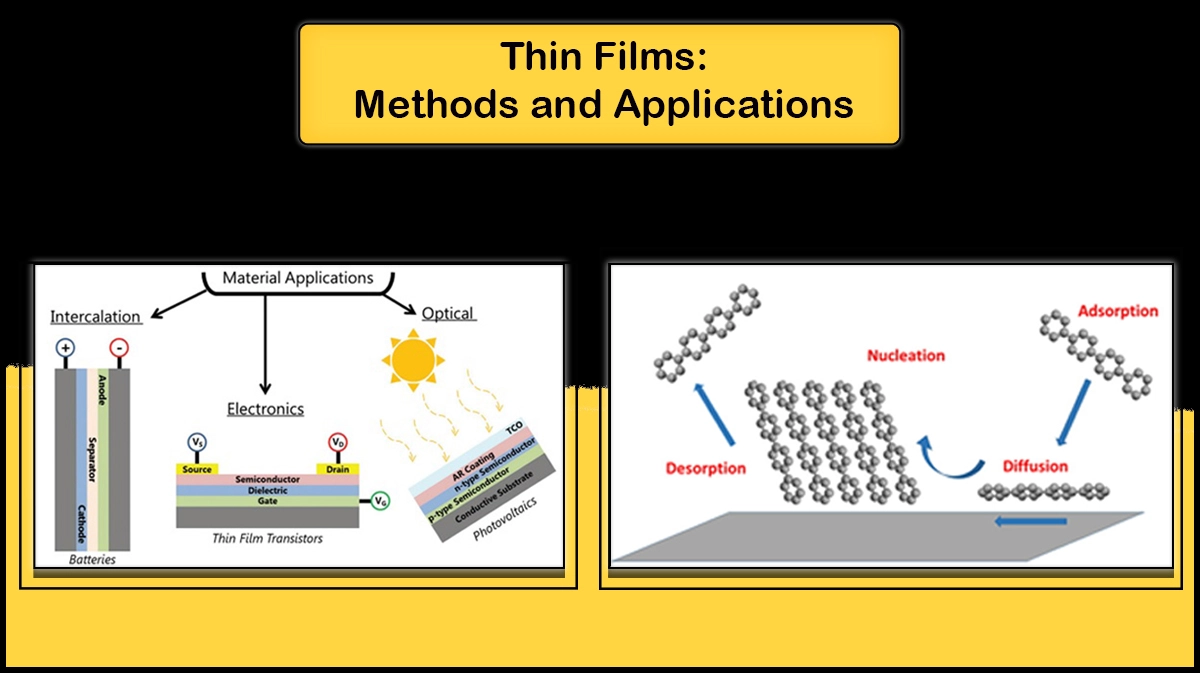
Thin film, deposition of a nano/micrometer thin layer, on the bulk material can help to improve its surface features, which is widely used in science & industry.
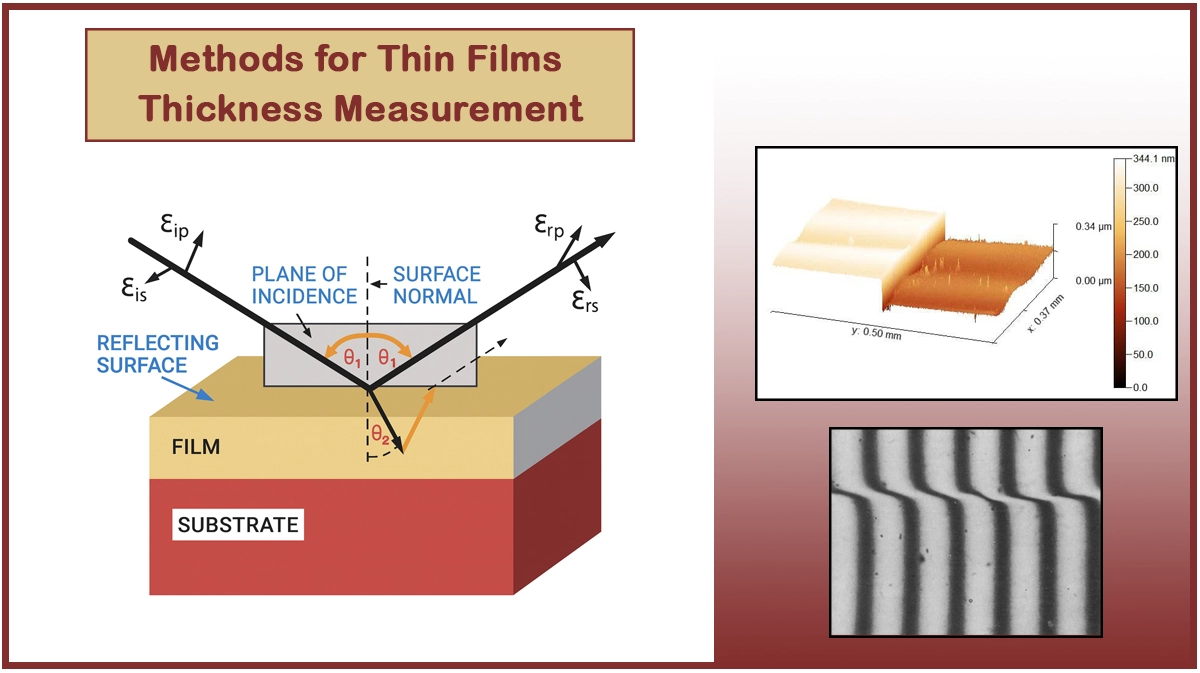
Thin film thickness measurement is performed in a variety of ways, including using optical properties, mechanical contact, electron microscopy.
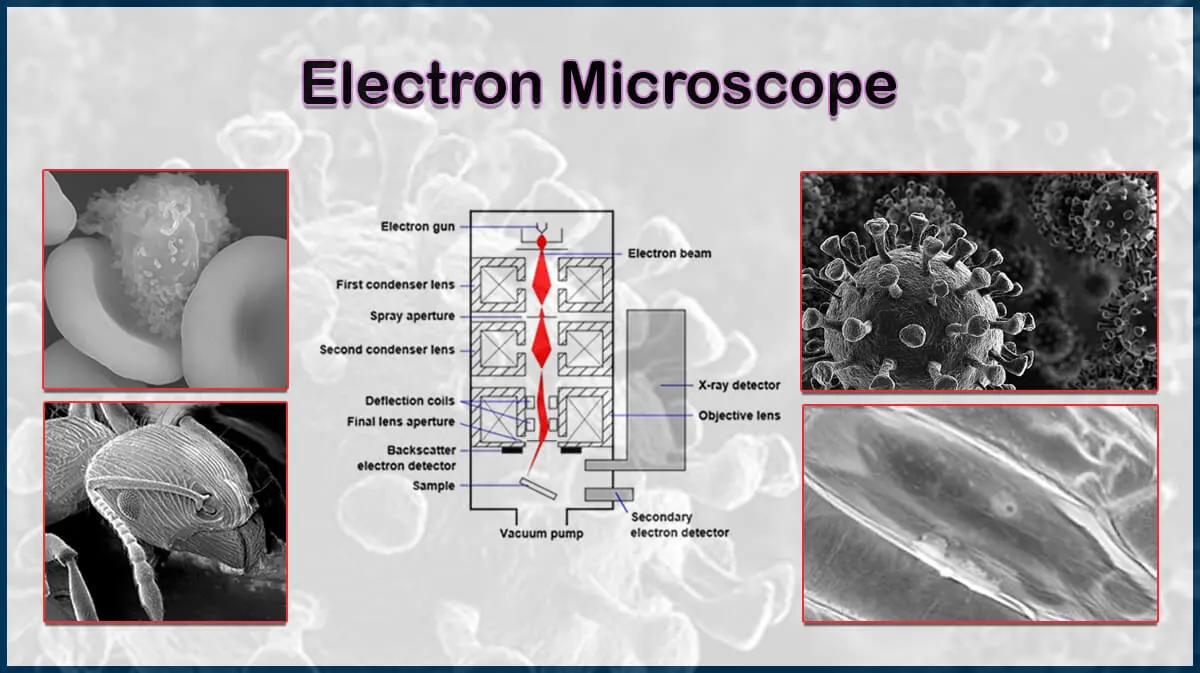
Everything you need to know about electron microscopy — from fundamentals (How it works, types, and parts) to advanced techniques and real-world uses.
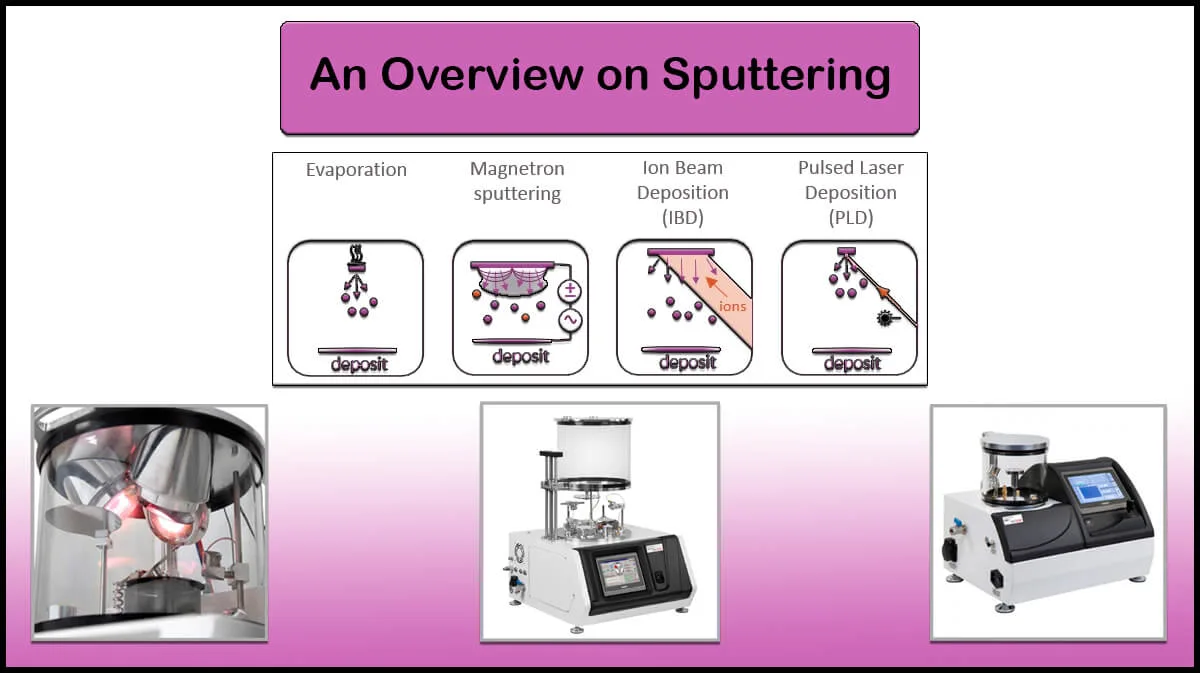
Sputtering is widely used in thin film deposition as a coating method and has developed extensively to achieve required properties for different applications.