
Sputter Coaters | High Resolution Sputtering System
Advanced magnetron sputtering solutions for uniform thin-film deposition in research, R&D, and industrial applications.
Sputter coating as a common method for thin film deposition by vacuum plasma is used in various applications, such as fabrication of nano-electronic and optical devices, sensors, solar cells, as well as SEM sample preparation. Ion sputter coaters generate a sustainable plasma under controlled conditions to obtain a uniform coating. Magnetron desk sputter coaters produced by Vac Coat Ltd. are pioneers of automated low and high vacuum sputter coating machines for producing thin films of various materials by using DC/RF sputtering techniques.
Ion Sputter Coating Technique
Ion Sputtering is a method to deposit thin films of various materials on a substrate. Nowadays, ion sputter coating (Shortened as sputtering) is used in SEM Coaters for coating Scanning Electron Microscope (SEM) samples with a conductive thin film, called metallizing. This is an essential step in SEM sample preparation to reduce electric charging of the sample surface, diminishing heat damage to the sample, and achieving high-quality images. Also, sputtering is widely used in thin film deposition for numerous research applications in solar cell, battery, sensors, and micro/nano-electronics.
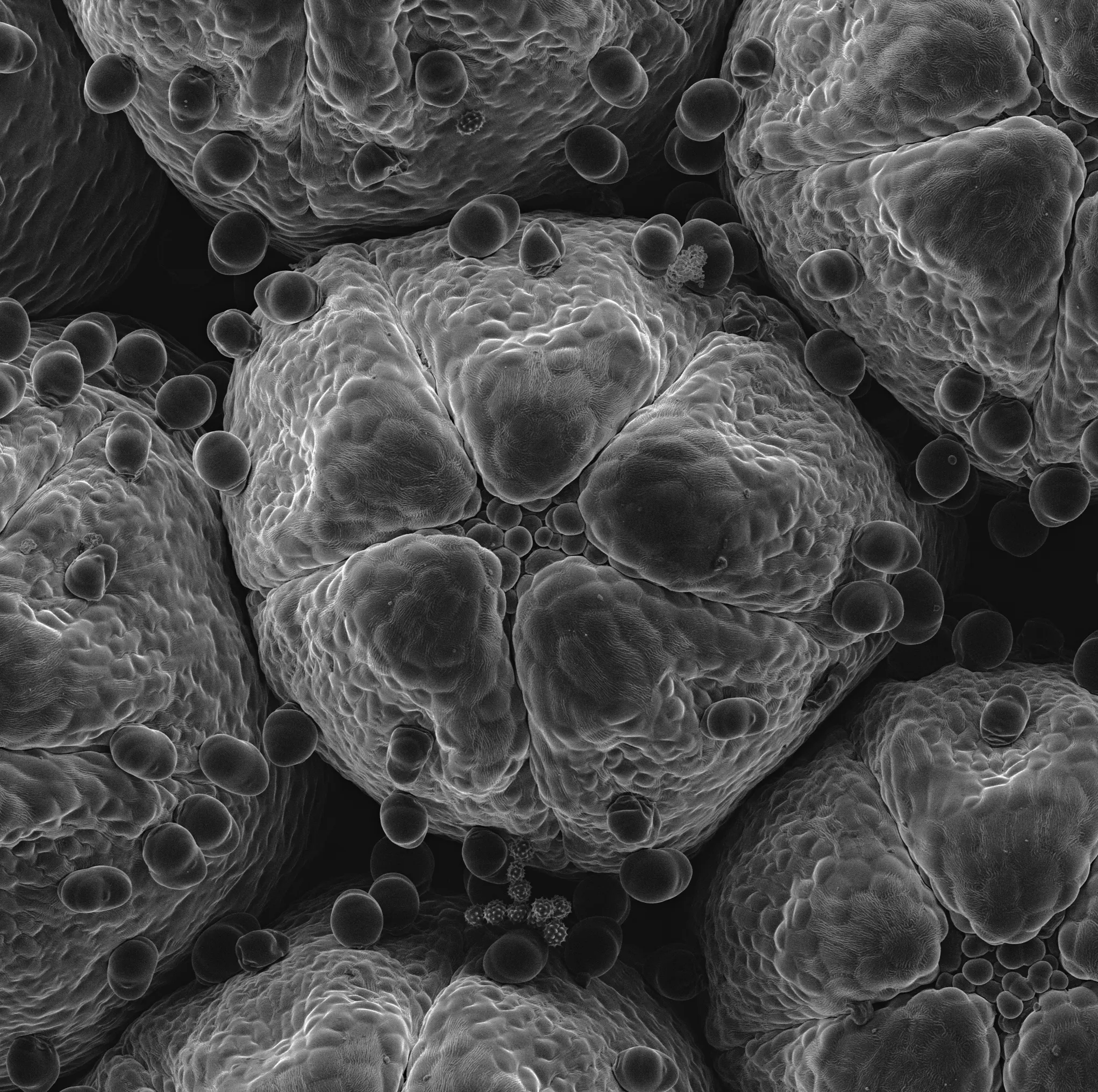
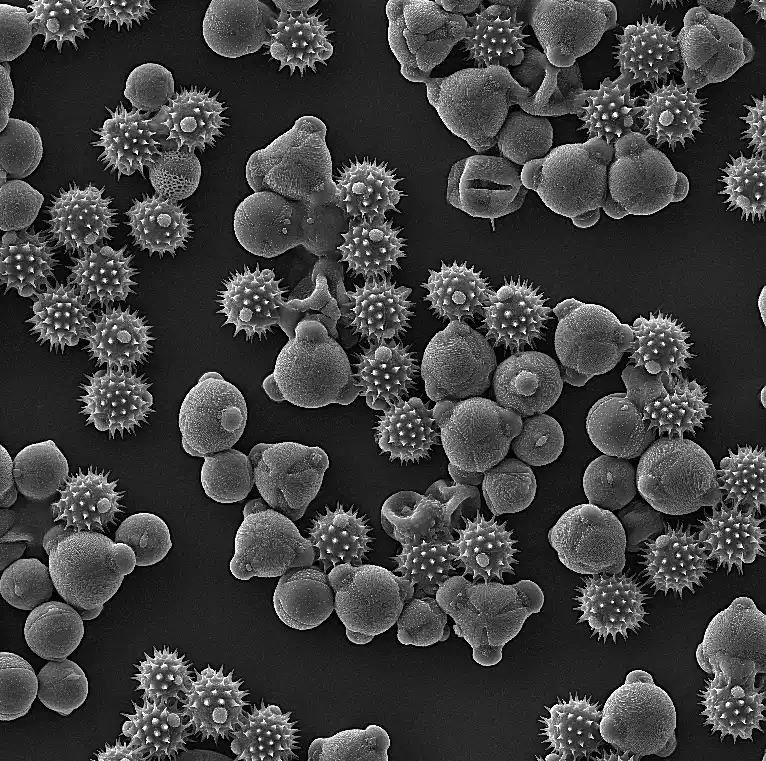
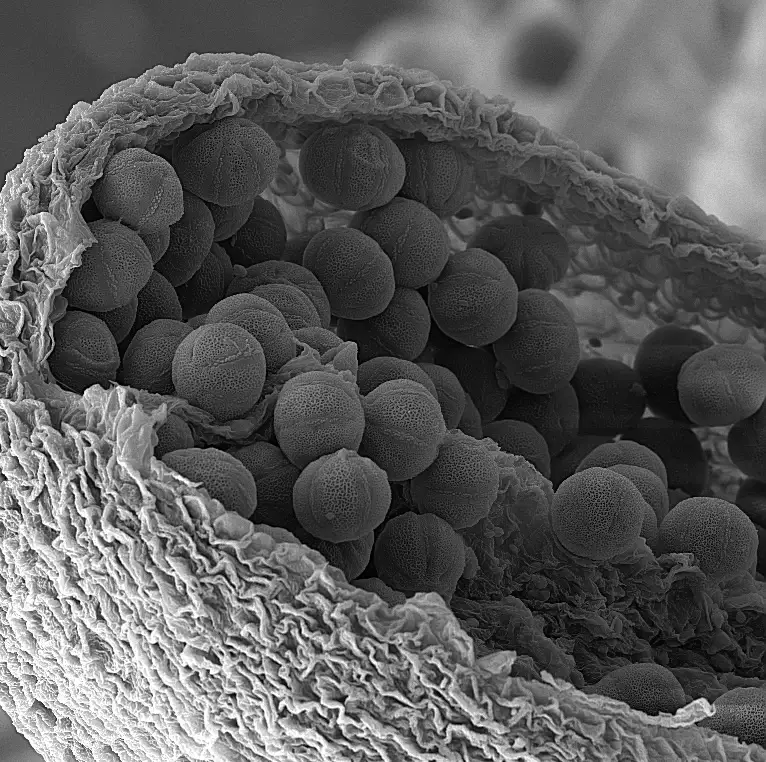
From Compact Desk Units to Advanced Multi-Target Systems
- Desk Sputter Coaters
- Hybrid Sputtering Systems
- Multi-Target Sputter Coaters
How Does A Ion Sputter Coater Work?
Sputter coating of a sample requires plasma formation of a process gas between two electrodes to sputter the atoms of a target material placed on the cathode, which are deposited on the substrate afterward. This process needs vacuuming and precise manipulation of the base and working pressure of the chamber, process gas flow, substrate bias voltage and temperature, cathode voltage, plasma current, and deposition time to obtain desired thickness and structure of the coated layer. These numerous parameters can be handled accurately by using an automated sputter coater machine with programmable coating processes through user-friendly software.
To meet the worldwide demands in advanced coating, Vac Coat offers high-precision sputter coaters with extensive operational options. Programmable deposition process, real-time monitoring of the chamber pressure, cathode temperatures, and coated layer thickness by Quartz-crystal microbalance (QCM) sensors, and many other innovative features have made Vac Coat magnetron sputter coaters among the pioneer coating devices. Vac Coat also designs tailor-made desktop sputter coaters that fulfills the customer requirements to provide a perfect ion sputter coater for special needs.
Main Features of Our Desk Sputter Coaters
The key features of Vac Coat sputtering systems include:
- Built-in turbomolecular pump in high-vacuum models
- Selecting chamber size (170 or 300 mm Dia.) in some models
- Quartz-crystal microbalance (QCM) thickness monitor
- Combination of sputter coater, carbon coater, and thermal evaporator in some models)
- RF power supply with an auto-adjustable matching box which minimizes the reflected power in the RF sputtering process (Optional)
- Plasma cleaner for partial removing of organic matter from the substrate surface or changing its surface wet-tability before thin film deposition (Optional)
- Substrate DC bias voltage (0-300V) and heater for increasing film adhesion to the substrate and modifying film structure (Optional)
Automatic coating process (Adjusting vacuum level, sputtering current, coating time and thickness)
Ability to rapidly enter and store coating process data
Controlling the deposition process from pc through a Wi-Fi connection in some models
Storing coating recipes for repeatable depositions (Saving up to 8 coating profiles)
Electronic shutters
Gas injection control through MFCs
Automated cathode selection
Rotating sample holder
Vac Coat Sputter Coating Machines
Vac Coat Ltd. is a renowned designer and manufacturer of desktop sputter coaters working at low or high vacuum. Vac Coat magnetron sputter coaters are provided in small chambers or large chambers, supplied with one cathode or triple cathodes and customizable features. So far, Vac Coat sputter coating machines are being used in a wide range of duties all over the world, from electron microscope sample preparation to the edge of science research projects.
3 Desktop Sputter Coaters
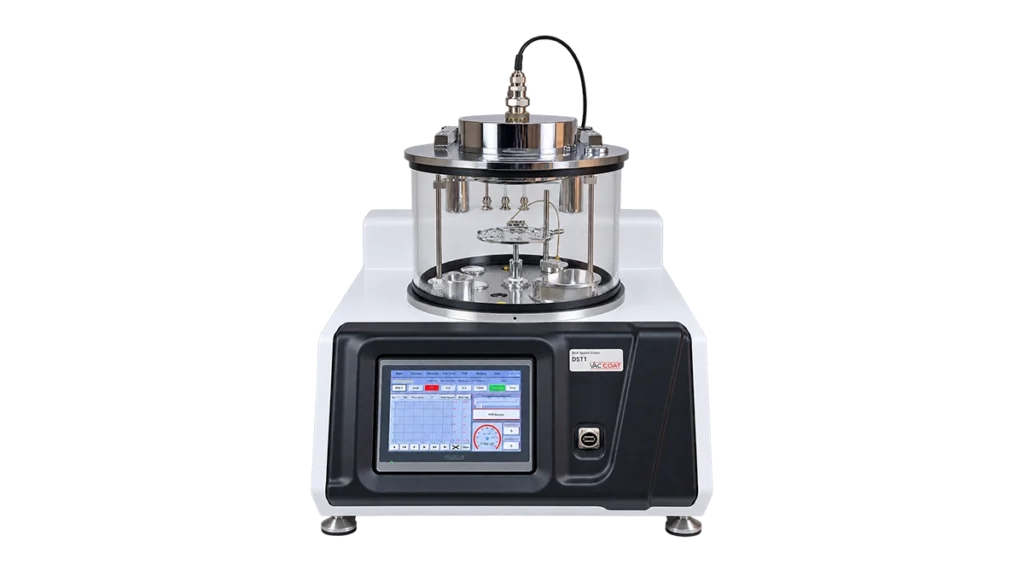
The rotary-pumped sputter coater DSR1 is favorable for low vacuum coating thin films of noble, non-oxidizing metals like gold (Au) and silver (Ag) and platinum (Pt), for conventional SEM imaging. High-vacuum ultrafine deposition of oxidizing and non-oxidizing is made possible by DST1 turbo-pumped sputter coater, introduced in two chamber size, Dia. 170 and 300 mm.


Magnetron Sputter Coaters with Carbon Coaters
Vac Coat sputter coaters can also be used as a carbon coater in a single compact desktop system with optional carbon fiber/rod evaporation attachment in low vacuum DSCR and high-vacuum DSCT coater models.


Consecutive layer coating and co-sputtering is made feasible with DST3 multi-cathode sputtering system, in two different cathode configurations, angled (DST3-A) and straight (DST3-S). These models are also offered with thermal evaporation option (DST3-TA and DST3-TS). Large samples uniform coating (up to 8 inches) is made possible with uniquely designed cathode masks in DST3-S model.
Glove box turbo-pumped multi-cathode sputter coater DST2-TG can be mounted inside a glove box, where purity is vital. This high-vacuum coating system can co-deposit materials through both sputtering and thermal evaporation methods, without breaking the vacuum.


What is a sputter coater?
A sputter coater is a vacuum deposition system working based on physical vapor deposition method (PVD) that applies a thin coating onto a sample surface through the sputtering process. It is widely used for SEM sample preparation, nanotechnology research, materials science, life sciences, and thin-film applications, such as fabrication of solar cells and batteries.
How does a sputter coater work?
A sputter coater generates a plasma inside a vacuum chamber. Positively charged ions bombard a target material such as gold, platinum, silver, or chromium in DC sputtering, or semiconductor materials, like TiO2, ejecting atoms that deposit onto the sample surface as a uniform thin film.
Which materials can be deposited using a sputter coater?
Sputter coating materials can involve conductive and non-conductive materials through DC and RF sputtering process, including:
- Gold (Au)
- Gold/Palladium (Au/Pd)
- Platinum (Pt)
- Silver (Ag)
- Chromium (Cr)
- Iridium (Ir)
- Copper (Cu)
- SiO2
- TiO2
- etc
The choice of the sputter target depends on the application, vacuum level, and desired coating characteristics. For example, in case of sample preparation for microanalysis, the proper coating material is determined by the required resolution and specimen components.
Can a sputter coater deposit semiconductors or insulating materials?
Standard DC sputter coaters are primarily used for conductive materials. To deposit insulating materials such as oxides or ceramics, RF sputtering systems are typically required. RF sputter coater can be used in sputtering of a wider range of materials, from conductive to non-conductive ones.
What is the difference between sputter coating and thermal evaporation?
Sputter coating uses plasma to eject atoms from a target material, resulting in dense and uniform coatings. Thermal evaporation relies on heating a source material until it evaporates. Sputtering generally offers better adhesion, improved step coverage, and more uniform films, as well as less heating effect on the sample, making it suitable for coating of heat-sensitive sample.
What vacuum level is required for sputter coating?
- The optimal vacuum level depends on the coating material and the application requirements. Sputter coating of oxidizing target materials requires a higher vacuum level to minimize oxidation of the sputtered species and to produce thin films with the desired properties. Vac Coat low-vacuum sputter coaters, such as the DSR1, can reach an ultimate pressure of 3×10⁻³ Torr, while high-vacuum, turbo-pumped sputter coaters can achieve 7x10⁻⁷ to 10⁻⁶ Torr, depending on the chamber size and turbomolecular pump speed.
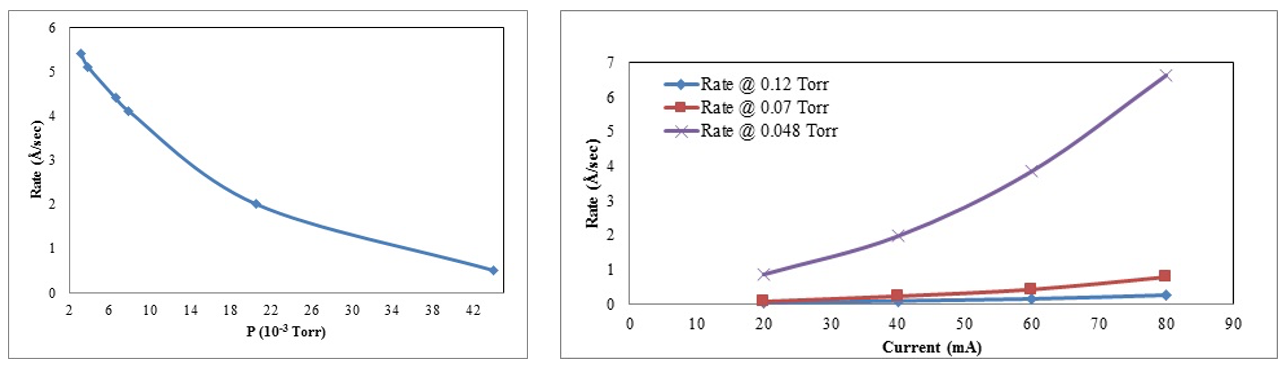
Plasma ignition for sputtering is typically carried out at about 4x10⁻² Torr in the presence of a process gas, usually argon (Ar), to provide a clean and stable discharge environment, then the gas injection should be lowered to decrease the chamber pressure to achieve higher deposition rate. The graph below is a case study on the dependence of the deposition rate to the chamber pressure in DST1 model.

- Controlled air injection can also be used in certain coating systems for the sputter deposition of noble-metal coatings such as gold (Au).
What gases are used in sputter coating?
Argon is the most commonly used sputtering gas because it is chemically inert and efficiently generates plasma. Specialized applications, such as reactive sputtering, may use other gases, such as N2, O2, or gas mixtures.
What is the difference between conventional sputtering and magnetron sputter coating?
In conventional sputtering high negative voltage is applied to the cathode, so fraction of the energetic positive Argon ions in plasma collide the target surface and sputter its atoms, which subsequently deposit on the substrate. Whereas in magnetron sputtering, a magnetic field is applied onto the target through the magnetron cathode, confining the plasma ions to the target surface, resulting in increased ion-target collisions. So, the sputtering rate is enhanced, and higher coating rates are achievable.
What are the advantages of magnetron sputter coating?
Compared to conventional sputtering, magnetron sputtering offers:
- Higher deposition rates
- Better film uniformity
- Lower substrate heating
- Improved target utilization
- Enhanced coating adhesion
- Superior process stability
How is a sputter coating process controlled?
Vac Coat sputter coaters can perform sputter processes in Time or Thickness mode, where the user can set the desired deposition time or thickness. Also, the user can monitor the film thickness on the touchscreen, which is sensed and measured using QCM thickness sensor provided inside the coating chamber, and terminate the process when reached the desired thickness.
How long does a sputter coating process take?
The required sputter coating time depends on the desired film thickness, plasma current, target material, deposition rate, sample geometry, and system endurance. The coating time is extended for sputter coaters supplied with water-cooled cathodes.
As an example, for a basic Vac Coat sputter coater, the whole coating cycle in deposition of a thin layer of gold with a thickness of about 100-nm, including evacuating, deposition, and venting processes, takes less than 10 minutes.
What is the lifespan of a sputter coating target?
Target lifetime depends on material type, target thickness, usage frequency, and sputtering power, and target erosion, which determines the target utility. Working under proper operation conditions, targets can typically support hundreds of coating cycles before replacement.
What industries use sputter coaters?
Sputter coaters are widely used in various industry applications, including:
- Materials science
- Nanotechnology
- Semiconductor research
- Life sciences
- Forensic science
- Energy storage research
- Aerospace materials development
- Academic laboratories
- Industrial quality control